|


| Size: | |
|---|---|
| Quantity: | |
| Item Name | Felting Needle | ||
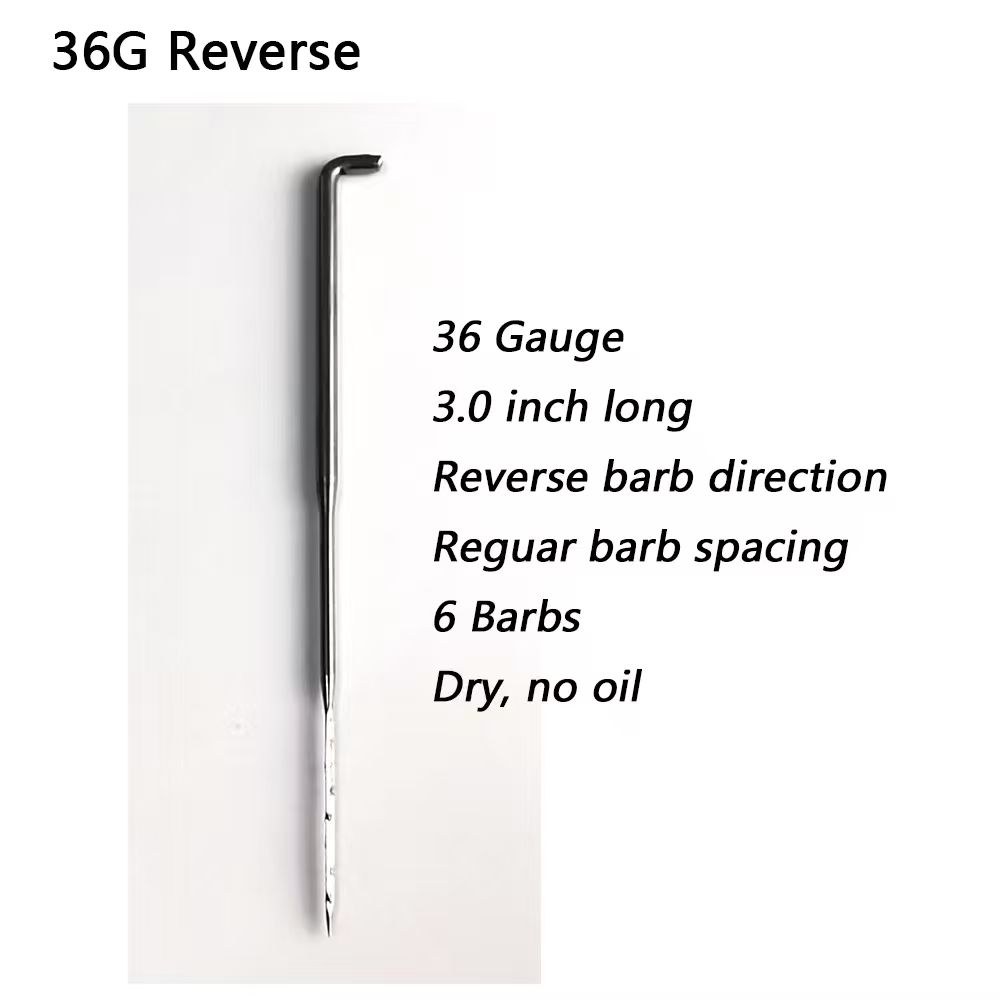
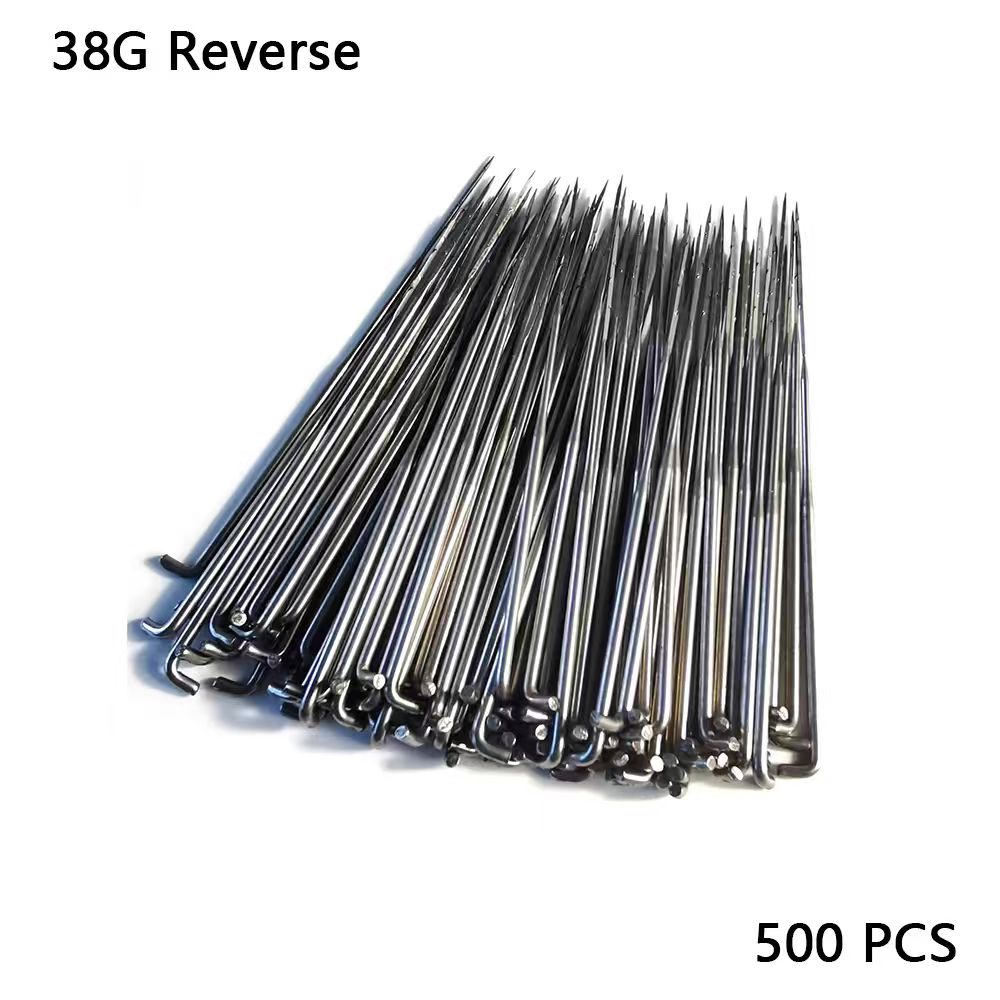
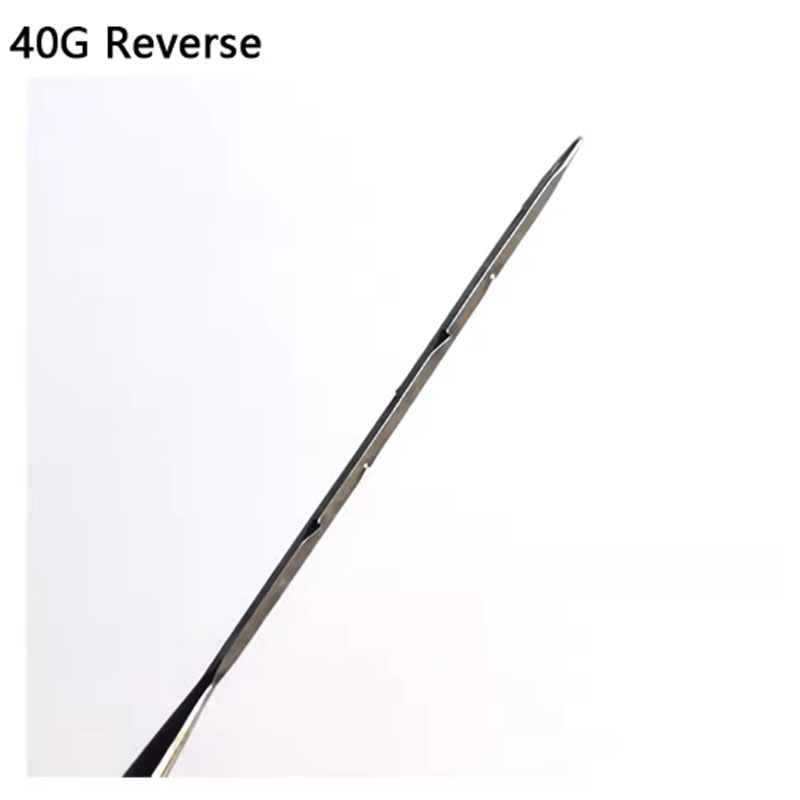
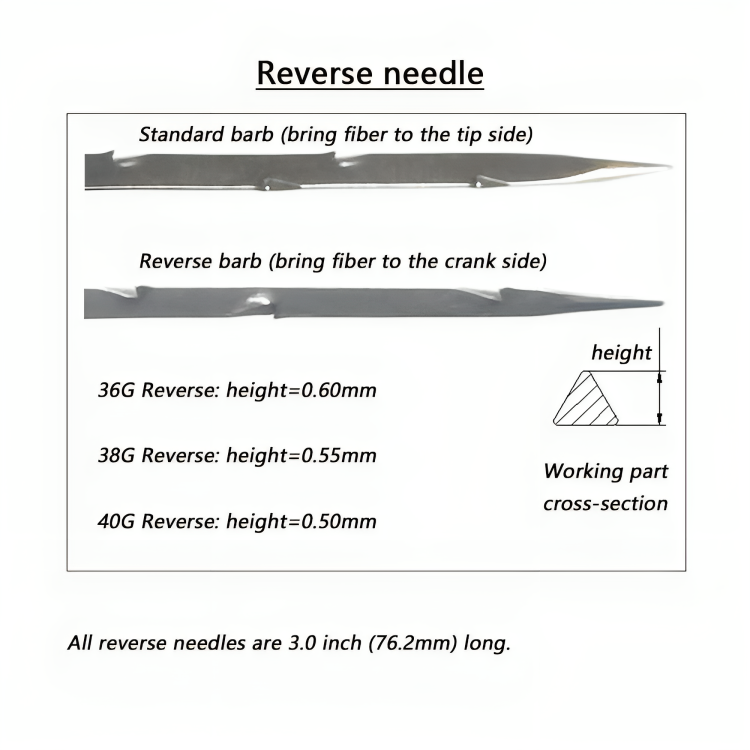
| Item Number | 36G Reverse | 38G Reverse | 40G Reverse |
| Unit Price (FOB Xiamen) | 0.11 USD/pcs | 0.11 USD/pcs | 0.11 USD/pcs |
| Lead Time | in stock | in stock | in stock |
| Packaging | 500 pcs/box | 500 pcs/box | 500 pcs/box |
| Weight | 0.58 Kg/box | 0.56 Kg/box | 0.54 Kg/box |
| HS code | 7319900000 | ||
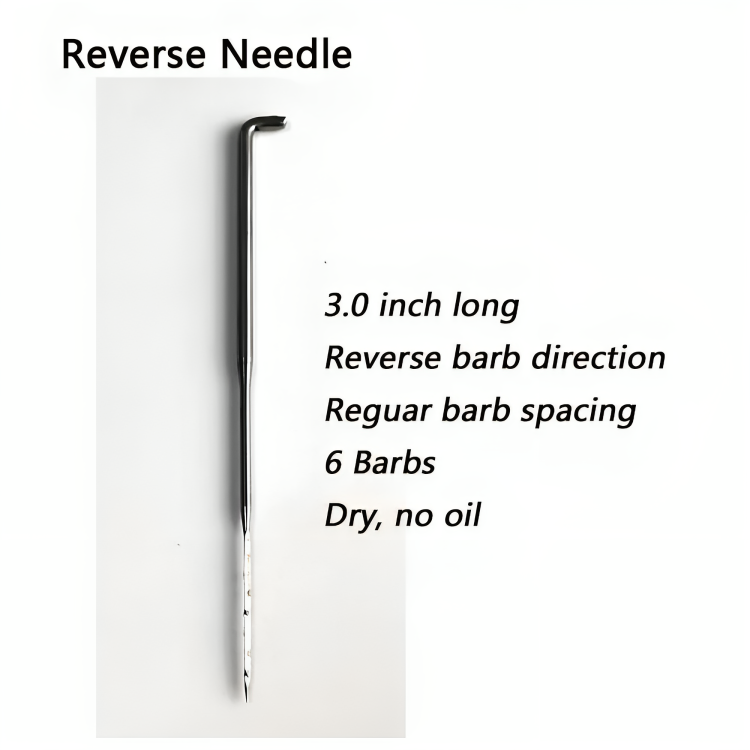
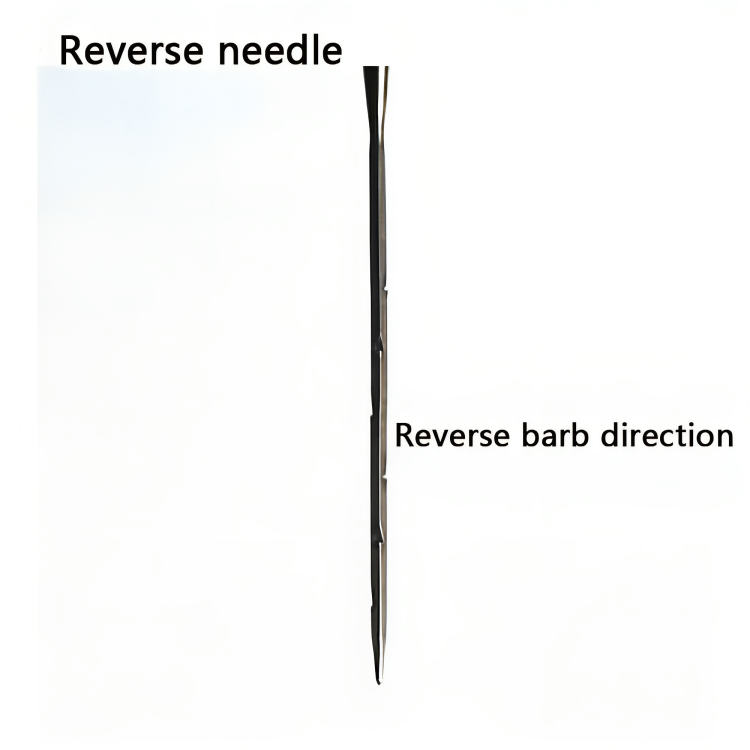
A Reverse Barb Needle (also called as Lifter Needle or Texturizing Needle) has a unique feature: its tiny angled barbs point upward toward the handle, opposite the direction of a standard needle. Instead of pushing fibers down into the work when inserted, it catches and pulls them upward when the needle is withdrawn.
1. Creating Realistic Fur, Hair, and Fuzzy Textures
When to Use: On the final surface layer of an animal sculpture, a furry creature, or to create hair, beards, grass, or woolly clouds.
How to Use:
1.1 Ensure your base sculpture is very firm and fully felted using standard needles.
1.2 Take a small, thin wisp of wool in a contrasting or highlight color.
1.3 Lay it gently on the surface. Using a fine standard needle (e.g., 40-42 gauge), lightly poke just enough to barely attach the ends of the wisp.
1.4 Now, take your Reverse Barb Needle (often a medium gauge like 38). Insert it shallowly at the base of the attached wisp.
1.5 As you pull the needle straight back out, the reverse barbs will catch the wool fibers and pull them upward, creating a natural, fluffy, standing-out texture. Repeat across the area.
2. Softening Edges and Blending Colors Seamlessly
When to Use: When the transition between two colors of wool looks too harsh or defined.
How to Use:
2.1 Lightly poke the color seam with the Reverse Barb Needle.
2.2 The action of pulling fibers up from both colors will intermingle them at the surface, creating a softer, more natural gradient without adding more wool.
3. Correcting Mistakes: Fixing Dents or Over-Felted Spots
When to Use: If you've accidentally felted too deeply and created a dent, or if an area has become too hard and dense.
How to Use:
3.1 This is the "magic" fix. Insert the Reverse Barb Needle repeatedly into the over-felted or dented area.
3.2 As you withdraw the needle each time, it pulls the compacted internal fibers back toward the surface, plumping the area up and loosening the density. It can often erase a dent completely.
A 38-gauge reverse barb needle is the most versatile for starting. Fine gauges (40) are for very subtle lifting on delicate pieces.